

Conservatory Door Repair
The continuous use of conservatory doors will cause them to show signs of wear. To avoid further damage, it's important to fix these issues as quickly as you can.
Replace uPVC doors that are soiled to give your conservatory a new look and improve its efficiency. This will help you save on expensive heating bills in winter, and sweltering heat in summer.
1. Assess the Damage
Conservatories can be constructed of wood, aluminum or uPVC. They are designed to let natural light in. They can add value of your home and provide a relaxing area for entertaining guests or spending time with family. However, just like any other part of your home, conservatories need regular maintenance to ensure they remain in good condition and operating at their best. Glass panes are susceptible to damage due to extreme weather conditions or accidents. It is important to deal with these issues as soon as possible so they don't become worse and impede the function of your doors and windows.
Another problem that is often encountered is the loss of hardware, such as handles and hinges. As time passes, these parts can become loose or even disappear completely which poses a significant safety risk and will also affect the performance of your windows. In the majority of cases tightening loose screws or bolts will restore their function and improve the security of your doors.
Many homeowners are concerned that a professional locksmith will not be able to repair their conservatory doors. This isn't always the case. A professional locksmith is equipped with the tools and expertise to work on any type of door, window, or conservatory. They can even replace your doors and install new locks if they're damaged beyond repair.
Leaking is a sign that the sealant between the conservatory and house is in need of replacement. This easy and cheap fix will save you money on water bills as well as damp walls. You can easily identify the signs - just glance at your conservatory to determine whether the floors or walls are damp.
2. Tighten Loose Hardware
Over time, the handles on doors can loosen and become difficult to turn or latch. This can be frustrating and can affect your home's security. Fortunately, the issue can be easily resolved by following a few easy steps.
You'll first have to locate the screws which attach the handle to your door frame. Most of the time, these screws are hidden behind the handle baseplate. To get to these screws, you need a screwdriver and pop off the cover plate (not all covers come with this feature). After the base plates have been removed, you'll be in a position to tighten the screws with a standard cross-head screwdriver. Be careful not to over tighten, as this can damage the handle or the uPVC frame.
Next, if the latch feels too high or too low, you may need to expand the hole in the strike plate. This can be accomplished by carefully drilling out the screw holes and installing a larger screw. These screws can be found in an hardware shop, or by searching online for uPVC repair screws.
Lastly, you can help prevent future problems by applying a coating of lubricant to the rollers and tracks. This will help your doors to open and close. There are a range of lubricants on the market but you should select one that doesn't attract dirt.
Maintaining your uPVC doors in good condition is crucial to the security and longevity of your conservatory. Taking the time to regularly check and repair any issues could help you avoid a lot of trouble in the future. By following replacement conservatory doors Repair My Windows And Doors can have a comfortable and functional conservatory for a long time to come.
3. Seal the Frame and Glass
It is important to ensure that the seal is operating correctly on the door to your conservatory. This is a matter of safety, as it stops a fire from spreading into the rest of your home. The door also contributes to energy efficiency by preventing loss of heat from the conservatory to the rest of the home. If the seal is broken or missing, it's essential to replace it as soon as you can.
It's also a good idea while you're at the same making sure you caulk the frames and door. This will prevent water and air from leaking into your conservatory and cause damage to the roof panels. You can use a silicone-based caulk to do this.
Another thing to check for is whether the handles or hinges are catching on the door frame. If they do, it could mean that the mechanism of the door has dropped and needs to be adjusted. This issue must be addressed immediately as it could affect the security and operation of your conservatory.
A door that is not functioning properly could reduce the value and usability your conservatory. If you take the time to check it regularly and perform regular maintenance, you will avoid many issues before they become serious issues. Lubricating the hinges and tightening loose screws and checking the locks are easy tasks that can make your conservatory safer and more functional. Working with a company that can repair conservatories, such as Pinnacle Home Improvements, is an excellent way to ensure your brand new uPVC doors and windows remain in good shape. You can also request references from past customers to ensure the quality of work.
4. Lubricate the moving parts
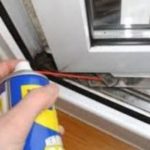
UPVC windows and doors have moving parts that require regular lubrication to function smoothly. You can choose to use an lubricant based on silicone, or dry waxes like paraffin and beeswax. Avoid oil-based lubricants like WD-40 which could attract more dirt and grime.
Before applying the lubricant clean it thoroughly to get rid of any traces of grease or other debris. Then, apply a thin coat of lubricant on the hinge plates and pin. Open and close the doors several times to work in the lubricant.
Many homeowners mistakenly believe that uPVC is maintenance free, but the truth is that doors and windows require some routine care and lubrication to ensure they are functioning properly. It's important to check the locking mechanism and tighten any loose screw.
Regular maintenance can help reduce the frequency of conservatory repairs. By cleaning the frames and glass and vacuuming the floors and regularly lubricating the hinges and locks, you can extend the lifespan of your doors and minimise the risk of further damage or disruption to your home.
5. Replace the damaged Locks
The locks on conservatory doors are the first to wear out therefore you must make sure they are safe. If they're not, you must take action to fix it as soon as you can.
The best method to accomplish this is by hiring locksmith. They can change your locks with modern, safer locks. They will also make sure that they are properly installed to ensure the safety of your conservatory.
If you have trouble locking your door, there could be an issue with the cylinder. This can be identified by using a key to see whether or not the lock operates smoothly. If it does not it is possible that the cylinder needs to be replaced.
Another common issue is when handles loosen or rotate. This can be a problem as it makes the door feel like it's broken, however in reality, it's usually down to the mechanism itself being damaged. It's simple to fix this by tightening the screws or using a lubricant, so it's worth trying before taking the handle off.
It's also worth looking into upgrading the locks on your conservatory during the repair process. This can help you to be in compliance with part L of the building regulations which is about energy efficiency. This is the reason you should choose a FENSA- or CERTASS-approved installation, who can recommend the best options for your home. They can also assist you in locating a bargain on the locks that you need. This will make the entire project much less expensive.